
Concrete Work
Hot Tub, Swim Spa & Shed Pads
Hot tubs, swim spas, and heavy sheds need more than a flat surface — they need a properly engineered concrete pad that won't settle or crack under point loads.
Hot Tub, Swim Spa & Shed Pads in London & Southwestern Ontario
A standard residential concrete patio is designed for foot traffic and patio furniture. A hot tub, swim spa, or loaded storage shed is a completely different engineering problem. A mid-size hot tub filled with water and occupants can weigh more than 2,000 kilograms concentrated on four corner points. A swim spa can exceed 7,000 kilograms when filled. A 10×12 shed stacked with landscaping equipment and snow blowers applies loads that flex an undersized slab and cause the kind of gradual settlement that cracks both the concrete and, in the case of a hot tub or swim spa, the shell of the unit itself.
- Site grading and compacted granular A sub-base
- Rebar grid sized to the unit's point-load requirements
- 4 to 5.5 inch pour (by application) using 32 MPa air-entrained concrete
- Thickened frost-protected perimeter on shed pads
- Drainage pitch away from structure and foundation
- Optional anchor bolt installation for shed sill plates
No Shell Cracks from Settlement
Differential settlement under a hot tub or swim spa warps the cabinet and cracks the shell. A properly reinforced pad keeps the unit level for its entire service life.
Frost-Proof Perimeter
Our thickened slab edge resists the edge-heave that plagues thin pads in London's clay soil — keeping corners level after even the hardest SW Ontario winters.
Engineered for the Load
We design rebar layout and slab thickness based on the actual weight of the unit — not a one-size-fits-all approach that under-builds for heavy swim spas.
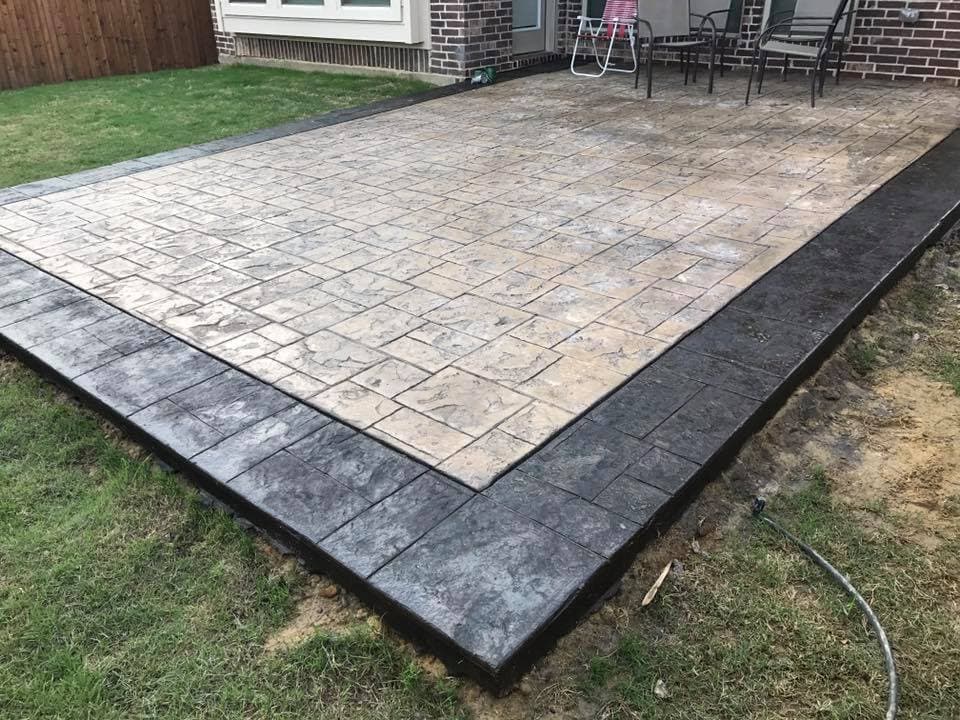
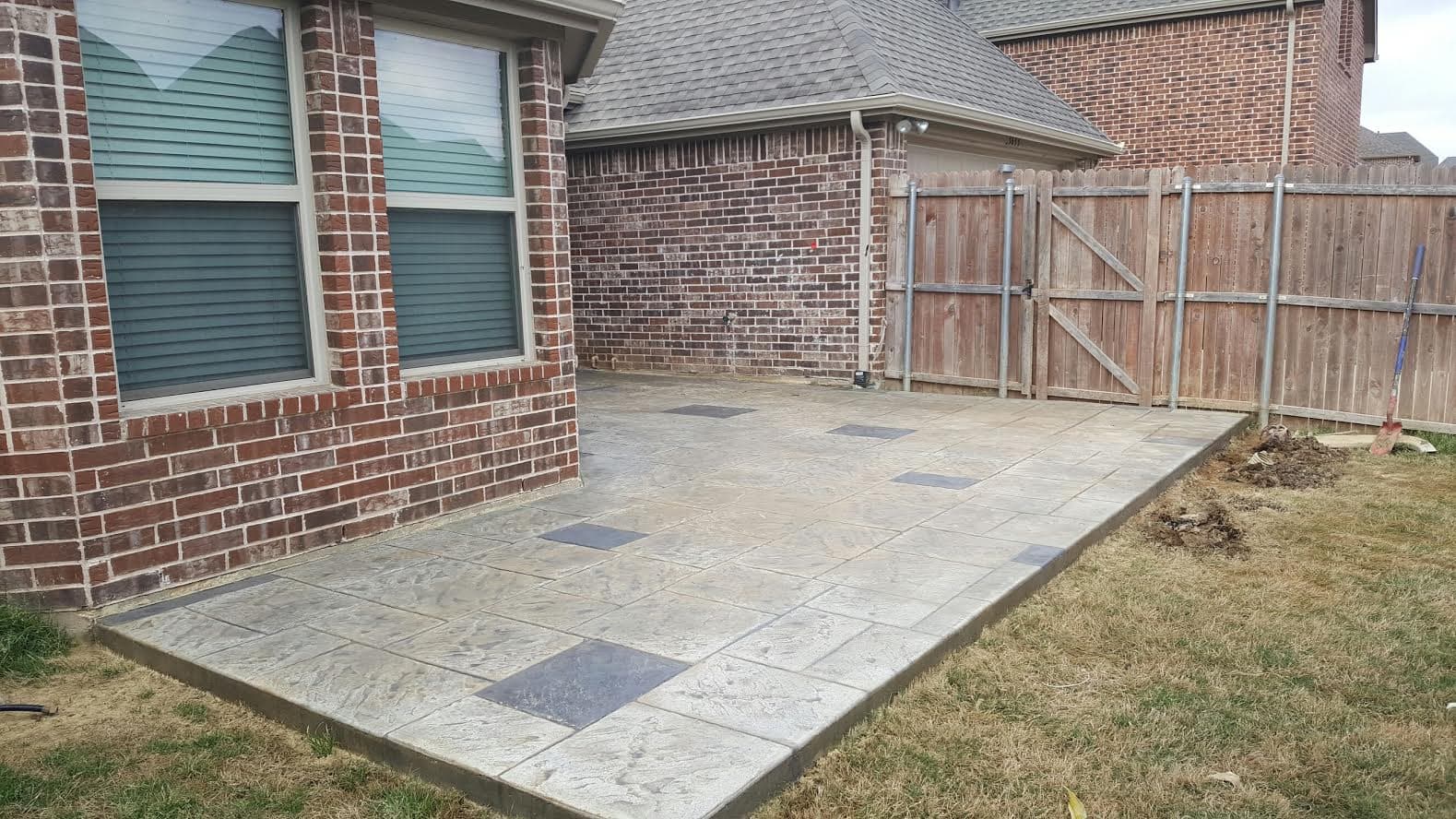
The Detail
How we approach your hot tub, swim spa & shed pads
Tap any section to read more about our process and materials.
Why hot tub, swim spa & shed pads matters in Ontario's climate
Master Decker has been engineering and pouring dedicated equipment pads across Southwestern Ontario since 2014. We size the slab appropriately for the unit it's supporting, reinforce for point loads rather than distributed loads, and grade for drainage so water from jets, overflow, and condensation drains away from the pad — not toward the foundation. Whether you're planning a two-person hot tub in Woodstock or a full swim spa installation in Hamilton, we design the pad to match the load.
Hot Tub Pads — Point Loads and Shell Support
Hot tubs transfer most of their weight through the four cabinet corners rather than distributing it evenly across the base. That means the concrete directly under those corners sees significantly higher stress than the centre of the pad. We address this by pouring a minimum of 4 inches of reinforced concrete on a well-compacted granular base, with rebar running in both directions to tie the slab together and prevent differential settlement between corner positions.
We also pay attention to the site. Most hot tubs go in a backyard corner or against a fence, often in a spot that's slightly low and collects runoff. We establish the pad elevation before forming to ensure proper drainage away from the unit and away from the house. An improperly drained hot tub pad accelerates shell deterioration, heaves under frost pressure, and creates the exact kind of pooled water that encourages ice formation in the control bay.
Swim Spa Pads — Engineered for Extreme Weight
Swim spas are among the heaviest residential loads a concrete pad will ever carry. A compact 12-foot swim spa filled with water weighs in the neighbourhood of 6,000 to 8,000 kilograms — more than two full-size pickup trucks. The pad that supports it needs to be designed like a small structural slab: minimum 5 inches thick, 32 MPa concrete, and a rebar grid engineered to span the full footprint without relying on the soil below to carry load if there's any settlement.
We recommend swim spa pads be poured monolithically — all in one continuous pour — to eliminate cold joints that can allow water infiltration and differential movement. We also advise homeowners to confirm the delivery access path before we form the slab, since most swim spas arrive via crane or specialty equipment and require a clear, firm surface from the street to the installation point. We can phase the pour to keep access clear if needed.
Shed Pads — Level Base, Frost-Protected Perimeter
A shed pad that's even slightly out of level results in doors that won't close, wall panels that rack, and floors that develop soft spots as the structure shifts. We form shed pads to 3.5 to 4 inches thick on a properly graded granular base, with the perimeter thickened to 6 inches to resist frost heave at the edges where the slab is most vulnerable. The thickened perimeter acts as a grade beam and keeps the corners from lifting independently.
For larger or heavier sheds — workshop buildings with concrete floors, garden sheds storing riding mowers, or storage structures over 200 square feet — we spec a full rebar grid rather than wire mesh. We also offer anchor bolt installation during the pour so the shed's pressure-treated sill plate can be mechanically fastened to the slab rather than sitting on top of it, which matters for wind uplift resistance in Ontario's storm season.
Common Questions
Hot Tub, Swim Spa & Shed Pads FAQs
How thick should a hot tub pad be?
A minimum of 4 inches for a standard two-to-four-person hot tub, reinforced with a rebar grid. Larger six-to-eight-person units should go to 4.5 inches. We assess the unit weight and footprint at your free estimate and spec accordingly — never a flat generic recommendation.
Can a swim spa go on an existing patio slab?
Only if the existing slab was designed and sized for that load — which most residential patios were not. A standard 2.5-inch patio poured for furniture and foot traffic will flex and crack under 6,000-plus kilograms. We assess existing slabs on-site and give an honest recommendation; sometimes reinforcing and topping an existing slab works, but often a dedicated pour is the safer path.
Do I need a permit for a hot tub or swim spa pad in London, Ontario?
The concrete pad itself typically doesn't require a building permit. However, the hot tub or swim spa installation usually requires an electrical permit for the 240V disconnect and may trigger a zoning review depending on placement relative to property lines. We advise on the pad side; your electrician and the City of London handle the mechanical permit.
How long after the pour can the hot tub or shed be installed?
We recommend a minimum of 7 days before placing any equipment on the slab and 28 days before the full operating weight of a filled hot tub or swim spa is applied. For sheds, structure assembly can begin at 7 days since the loading is incremental rather than immediate. We'll confirm the schedule at your estimate.
In Our Network
Looking for a dedicated single-trade specialist? These partner sites in our network may be the right fit.
Ready for your free estimate?
Tell us about your hot tub, swim spa & shed padsproject — we'll respond within 1 business day with a detailed, written quote.